
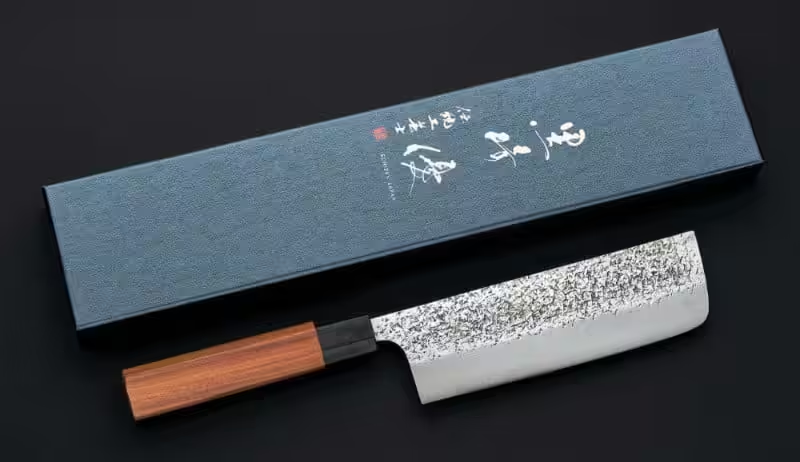
Kitchen knives are an inseparable element of every kitchen, and cooking enthusiasts are well aware of the role they play in the process of preparing dishes. However, in the world of kitchen knives, there is one category that stands out not only for its extraordinary precision and durability but also for its long tradition of craftsmanship. We are, of course, talking about Japanese kitchen knives, which have been valued by chefs all over the world for centuries.
Japanese kitchen knives are true works of art that are created as a result of using traditional forging techniques and the manual precision of master blacksmiths. They are distinguished not only by their unique design but above all by their excellent quality of craftsmanship and extraordinary sharpness. It is not without reason that Japanese kitchen knives are widely recognized as some of the best in the world.
In this article, we will provide you with a broad overview of the most popular types of Japanese kitchen knives, so you can better understand their differences and applications. We will discuss both universal knives for everyday use and specialized tools dedicated to specific kitchen tasks. Regardless of whether you are an experienced chef or just starting your cooking adventure, you will find useful information here.
Double-beveled knives
Gyuto Knife
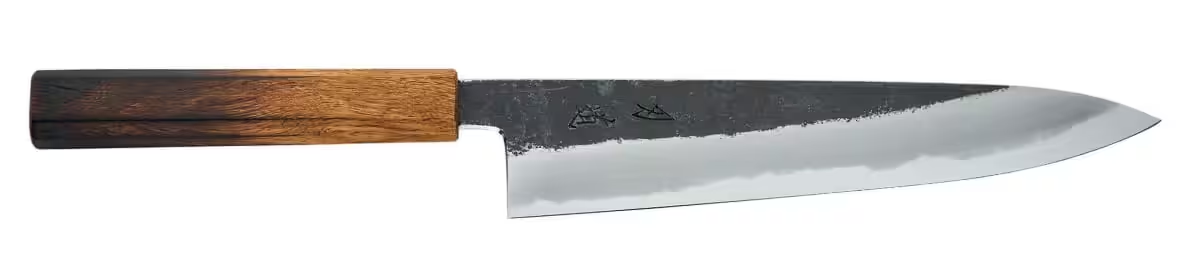 Gyuto is the Japanese version of the classic Western chef’s knife. It is the most versatile knife, that can perform a wide range of tasks, can be used with various cutting techniques, and is suitable for cutting the vast majority of meats, fish, vegetables, and fruits. The Gyuto knife has a characteristic, slim profile and a blade length usually ranging from 18 to 30 centimeters; the most popular blade size is 21 cm. The Gyuto knife is commonly used for various kitchen tasks, such as cutting meat, fish, fruits, and vegetables, chopping herbs, and other small products. Due to its versatility, it is a popular choice among professional chefs and amateurs worldwide. See Gyuto knives »
Bunka Knife
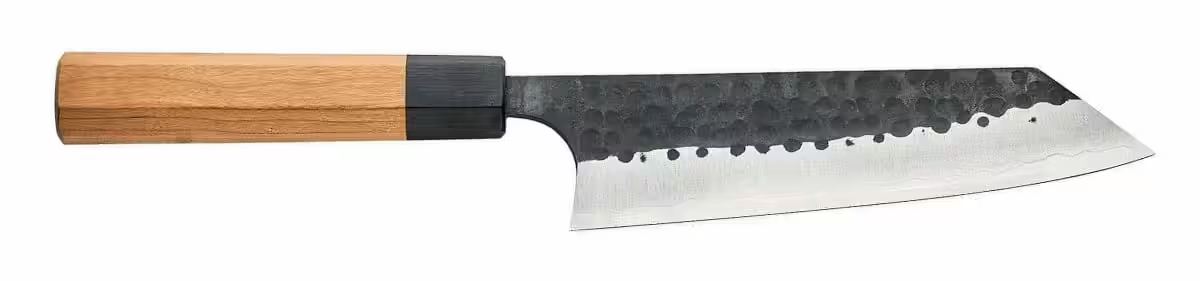 Bunka thanks to its versatility, is intended for versatile use in the Western kitchen. The blade profile is characterized by a pointy tip for precise food work. The Bunka knife is known for its versatility and can be used for many different kitchen tasks. Thanks to its relatively short blade, it is perfect for precise slicing, chopping, and shredding various food products, such as vegetables, fruits, meat, and fish. See Bunka knives »
Santoku Knife
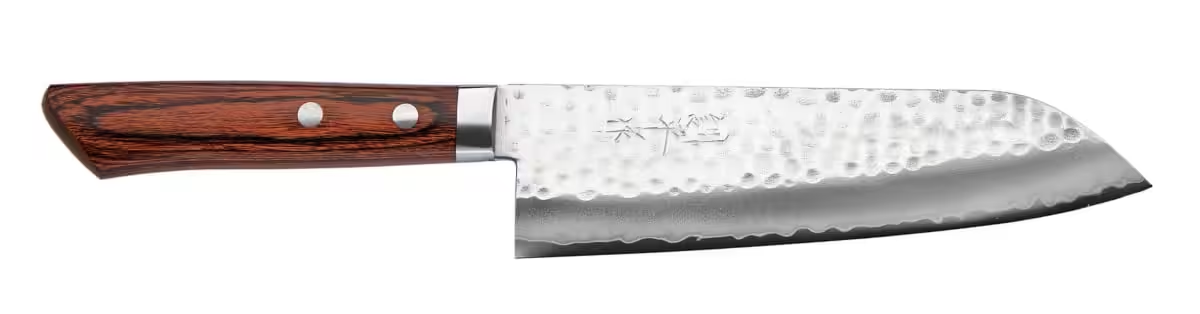 Santoku is another popular Japanese kitchen knife. The name “Santoku” in Japanese means “three virtues” or “three tasks,” which reflects its. The Santoku knife usually has a blade length ranging from 13 to 20 centimeters, although there are also larger variants. The blade is wide and slightly rounded at the end. Unlike the Gyuto knife, the Santoku knife does not have a clearly defined tip, which makes it a more universal tool for slicing and chopping. Due to its versatility and ease of use, the Santoku knife is especially popular in home kitchens and is increasingly valued by professional chefs. See Santoku knives »
Sujihiki Knife
 Sujihiki is a traditional Japanese kitchen knife that is specially designed for cutting thin slices of meat and fish for sushi or sashimi. The Sujihiki knife has a long, slender blade with a length usually ranging from 20 to 30 centimeters. The blade is thin, sharp, and usually symmetrically sharpened, which means it can be used by both right-handed and left-handed users. See Sujihiki knives »
Utility Knife (Petty/Pairing)
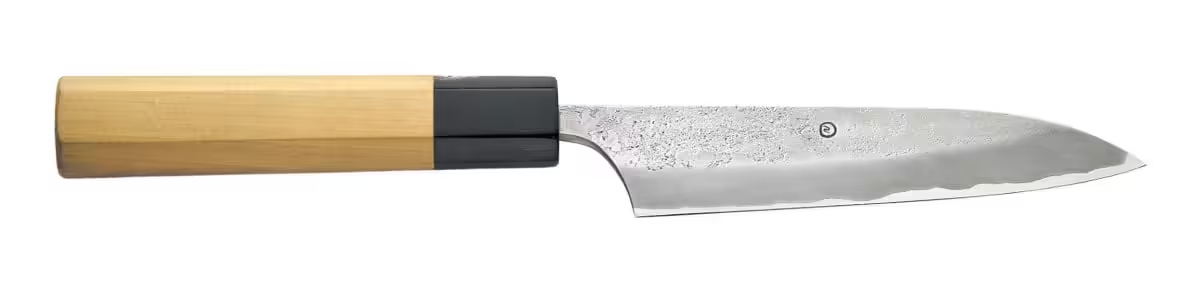 The Utility Knife (Petty/Pairing) is a kitchen knife with a compact size that combines the features of different types of knives, providing versatility in kitchen tasks. It is often called a “petty knife” but can also have other names, such as “utility knife” or “Pairing knife.” A small utility knife usually has a blade length of about 8 to 15 centimeters. The blade is thin and usually symmetrically sharpened, which allows both right-handed and left-handed cooks to use the knife comfortably. It can be used for peeling fruits and vegetables, cutting smaller products such as garlic and onions, precisely chopping herbs, and even for making small cuts and details. See Petty / Pairing knives »
Honesuki Knife
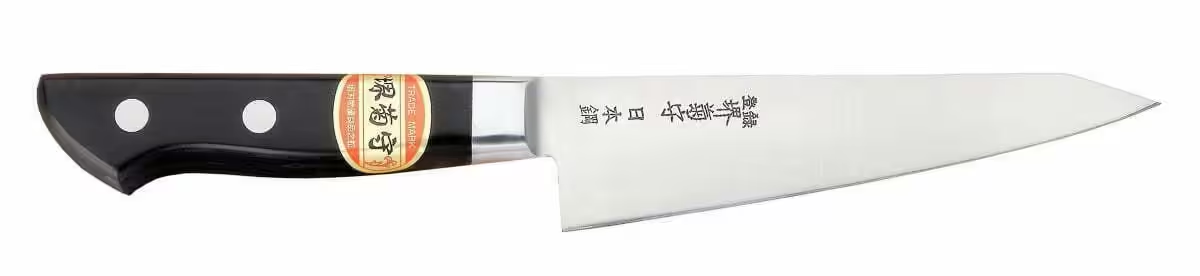 Honesuki is a Japanese boning knife. Honesuki works incredibly well for boning poultry and cutting around bones and soft joints. It usually has an asymmetrical edge, although there are 50/50 versions (suitable for left- or right-handed people). Due to its shape and height, the Honesuki can also function as a utility knife. It is an indispensable tool for professional chefs and cooking enthusiasts who often work with poultry in the kitchen. See Honesuki knives »
Nakiri Knife
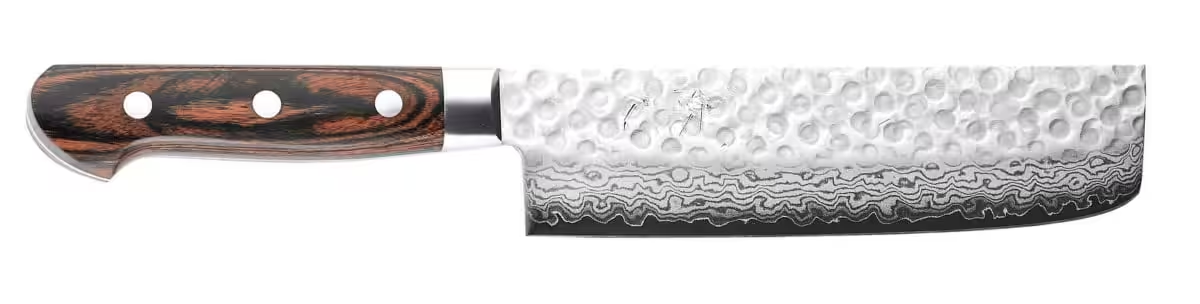 Nakiri is a traditional Japanese kitchen knife that is specially designed for cutting and chopping vegetables. If you are a vegetarian, this is the knife for you. The name “Nakiri” comes from the Japanese word “Nakiri bocho,” which literally means “vegetable cutting knife.” The Nakiri knife is characterized by a flat blade profile and somewhat resembles a cleaver. The blade length of a Nakiri usually ranges from 15 to 18 centimeters. See Nakiri knives »
Chinese cleaver
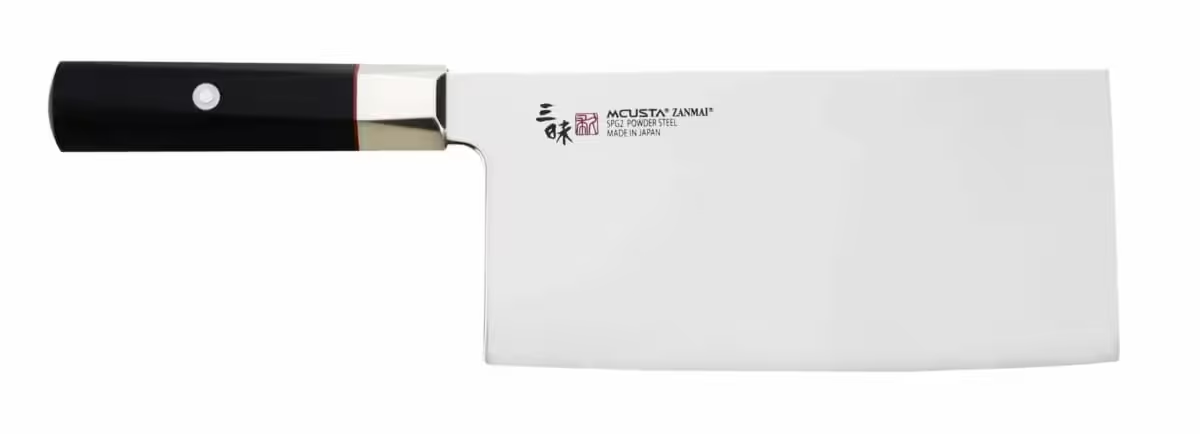 The Chinese cleaver has a thick blade and is very durable, which is especially important when cutting meat with bones. This is why this knife is very useful for cutting and breaking down whole fish, large pieces of meat, and poultry, where a heavy blade is useful. See Chinese cleavers »
Bread Knife / Pankiri
 Bread Knife / Pankiri are intended for and used for cutting bread and baked goods. The serrated blades are designed specifically for this purpose and can cut through tough crusts, as well as delicate products without crushing or mashing them. See Bread knives »
Kiritsuke Knife
 Kiritsuke is a traditional Japanese knife with a characteristic tip that can be used as both a sashimi knife and a Chef’s Knife. In Japanese restaurants, this knife is traditionally used exclusively by the Chef and cannot be used by other cooks; it is a symbol of a certain status. It is a tool often used by professional chefs who need one knife for various tasks. The Kiritsuke knife allows for precise cutting of thin slices of fish, as well as accurate slicing and processing of vegetables. See Kiritsuke knives »
Single-beveled knives
Deba Knife
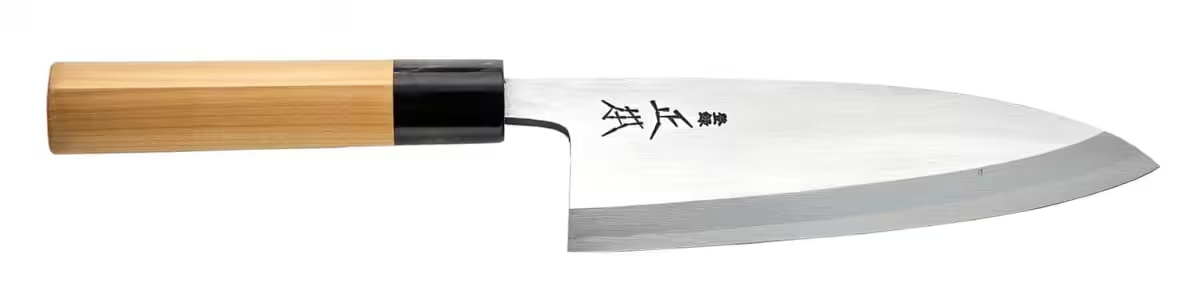 Deba is a traditional Japanese kitchen knife that is specially designed for filleting and processing fish. The name “Deba” comes from the Japanese word “Deba Bocho,” which literally means “fish knife.” The Deba blade is usually very thick and is single-beveled, which means it is intended for either right-handed or left-handed users depending on the sharpening. Thanks to its heavy profile and thick cutting edge, the deba knife is effective at cutting through thicker bones and tough fish skin. It is worth noting that the Deba knife has its special place in traditional Japanese cuisine and is commonly used by the best sushi masters. See Deba knives »
Yanagiba Knife
 Yanagiba is a traditional Japanese kitchen knife that is specially designed for cutting thin slices of raw fish, which is key to preparing sushi and sashimi. The name “Yanagiba” in Japanese literally means “willow leaf blade.” These knives belong to the trio of traditional Japanese knives, along with the Deba and Usuba, which were historically essential tools for preparing Japanese dishes. Its back part with a recess, known as Ura, facilitates the separation of the sliced fish. This is especially important when preparing sushi and sashimi, where the aesthetics and texture of the sliced fish are crucial. The blade is very thin and has a single-beveled cutting edge, which means it is intended for right-handed or left-handed users depending on the sharpening. See Yanagiba knives »
Usuba Knife
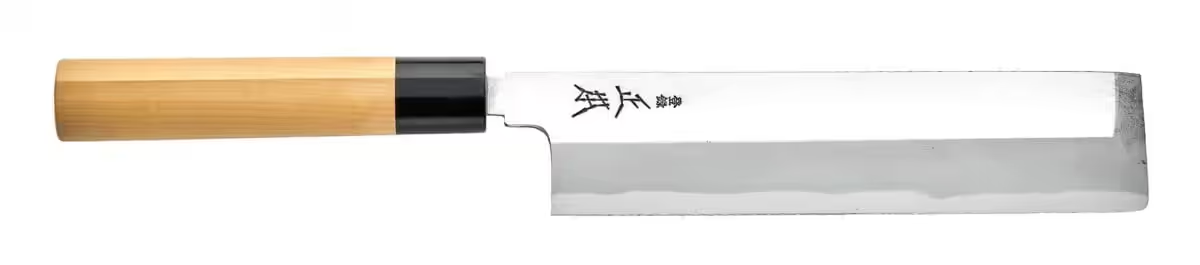 Usuba is a traditional Japanese kitchen knife that is specially designed for processing vegetables. The name “usuba” in Japanese literally means “vegetable processing knife.” The Usuba knife has a characteristic, wide, and straight blade with a length usually ranging from 16 to 20 centimeters. The blade is single-beveled, which means it is intended for right-handed or left-handed users depending on the sharpening. The Usuba knife is often used in Japanese cuisine, especially when preparing dishes in which vegetables play a main role. It is particularly useful when preparing sushi and in kaiseki cuisine, where precision and aesthetics are very important. See Usuba knives »


