
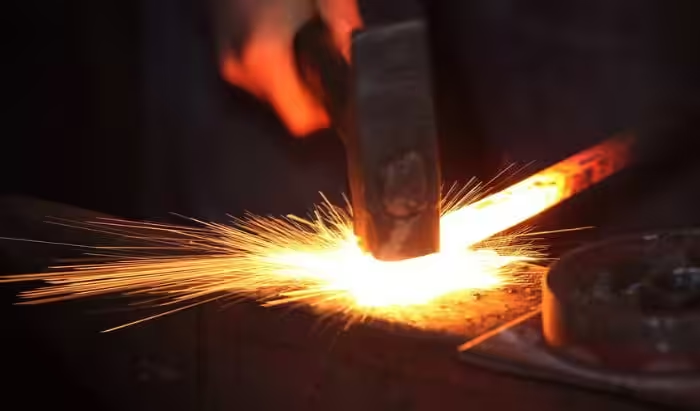
Japanese kitchen knives are famous for their high quality, sharpness, and durability. One of the key factors determining these features is the type of steel used to produce them. In this article, you will learn about the four main types of steel used to create Japanese kitchen knives: stainless steel, carbon steel, powdered steel, and Damascus steel.
Steel hardness and grain structure
Hardness and grain structure are key factors in determining the performance of any steel, from its durability and edge retention to wear resistance.
Many knife manufacturers use the Rockwell C hardness scale (HRC) to measure the hardness of steel. Generally, the higher the HRC value, the harder the steel. Typical European knives have a hardness in the range of 52 to 58 HRC. Japanese steels are in the range of 58-68 HRC, while most Western steels do not exceed 59 HRC.
Steels with a lower hardness are more resistant to damage, which means they have a lower tendency to chip. However, they will not hold their sharpness for a long time and will not be as sharp as steels with a higher hardness.
On the other end of the spectrum are very hard steels that maintain an aggressive cutting edge for a longer time. However, steel with a higher hardness can be more brittle, which increases the risk of chipping.
What is steel for knives made of
Steel consists of iron (Fe), carbon (C), and smaller amounts of other elements that can affect its properties. However, it is carbon that plays a key role in the production of steel, as it affects its hardness and ease of heat treatment and forging. Carbon acts as a hard and stable element that allows for the creation of a durable internal structure of the steel.
The amount of carbon present in the steel has a direct impact on its hardness. Generally, the higher the carbon content, the harder the steel. Carbon steel, which contains high amounts of carbon, can be very hard, but it can also be more prone to brittleness. On the other hand, low-carbon steel, containing lower amounts of carbon, will be more flexible but less hard. In practice, steel often contains from 0.1 to 3% carbon, depending on the desired properties.
Additionally, in addition to carbon, steel can contain other elements, such as chromium, nickel, molybdenum, or vanadium, which can affect its strength, rust resistance, or other specific properties. The choice of appropriate additives and the amount of carbon is key to obtaining the desired combination of hardness, durability, and other properties, depending on the specific application of the steel.
Chemical elements in steel
Iron (Fe): The main component in steel.
Carbon (C): A key element in steel. It allows for the hardening of steel in the heat treatment process. It reduces corrosion resistance and makes the steel brittle.
Chromium (Cr): strongly increases the corrosion resistance of steel and, to a certain level, increases its hardness.
Manganese (Mn): improves the structure of the steel and increases the possibility of higher hardening of the steel.
Vanadium (V): a key element that increases the hardness of steel.
Molybdenum (Mo): increases corrosion resistance, is often present in corrosion-resistant steel, and helps maintain the hardness and strength of the steel in the event of temperature changes.
Silicon (Si): increases the positive effect of carbon (C). It increases the hardness and strength of the steel.
Cobalt (Co): increases hardness and corrosion resistance.
Tungsten (W): significantly increases the wear resistance of steel
Stainless Steel
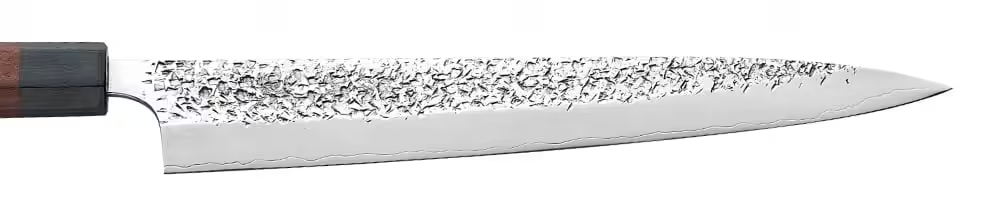
Stainless steels, often with not very high carbon content, have an addition of chromium (Cr), which acts as an antioxidant and protects against acidic factors like acidic food or water. Generally, when the chromium content in steel is over 12%, it is commonly considered stainless steel. Due to their versatility and minimal maintenance requirements, stainless steels are very common in many knives produced worldwide. Stainless steel is also relatively easy to sharpen and maintain. Knives made of this type of steel are usually durable, stain-resistant, and can last for many years.
- VG-1 this type of steel is widely used in the production of Japanese knives. VG-1 is known for its excellent cutting properties and good edge retention. It is a high-carbon stainless steel that offers a good balance between hardness and durability. The chemical composition of VG-1 usually consists of about 1% carbon, 15% chromium, 0.2% molybdenum, 0.2% vanadium, and trace amounts of other elements such as manganese and silicon. This composition provides VG-1 knives with a high level of corrosion resistance, good edge retention, and ease of sharpening, making them popular among both professional chefs and home cooks. See VG-1 knives»
- VG-10 is a high-quality stainless steel that enjoys great popularity due to its excellent properties. In Japan, it is widely used in the production of knives due to its ease of sharpening, edge durability, and corrosion resistance. This type of steel is produced by the renowned Takefu Special Steel mill. Knives made of VG-10 usually have an HRC hardness of 60 to 62, which translates into long-lasting edge retention and exceptional corrosion resistance. The name VG10 means “V Gold 10,” with “gold” referring to the quality of this material. The approximate chemical components of VG-10 include carbon (1%), vanadium (0.1-0.3%), chromium (14.5-15.5%), molybdenum (0.9-1.2%), cobalt (1.3-1.5%), manganese (0.5%), and phosphorus (0.03%).
- AUS-8, AUS-10 – proven stainless steel valued for durability, ease of sharpening, and affordable price. This stainless steel contains about 1.05% carbon, 14% chromium, 0.2% molybdenum, 0.2% vanadium, 0.5% manganese, 0.5% nickel, and 1% silicon and has a hardness of 58-61 HRC.
- Ginsan is a type of very fine-grained stainless steel that is characterized by high sharpness and edge durability, comparable to some carbon steels due to its properties. It is commonly believed that this steel is slightly easier to sharpen compared to VG-10. When Japanese master chefs decide to choose stainless steel instead of carbon steel, they often reach for Ginsan. Ginsan-Ko steel was developed by Hitachi Metals and contains about 1.05% carbon, 13% chromium, and 0.8% manganese. Its hardness is from 59 to 62 HRC.
- ZA-18 was designed by Aichi to compete with, and even surpass, VG-10 in terms of performance properties. This stainless steel contains 0.95-1.2% carbon, 17-18% chromium, 1-1.5% molybdenum, 0.1-0.25% vanadium, 0-1.0% manganese, 0-1.0% silicon, 0.04% phosphorus, and 0.03% sulfur, and its hardness is 61-63 HRC.
- Chromax is a type of steel commonly used in the production of Japanese knives, known for its excellent performance and durability. It is a high-carbon stainless steel with a properly selected composition of various elements. The chemical composition of Chromax steel typically includes about 1.1% carbon, 15% chromium, 0.6% molybdenum, 0.5% vanadium, and small amounts of other elements such as manganese and silicon. This composition provides knives forged from Chromax with exceptional hardness, corrosion resistance, and cutting edge durability, which makes it a popular choice among professional chefs and enthusiasts of Japanese kitchen knives.
Carbon Steel
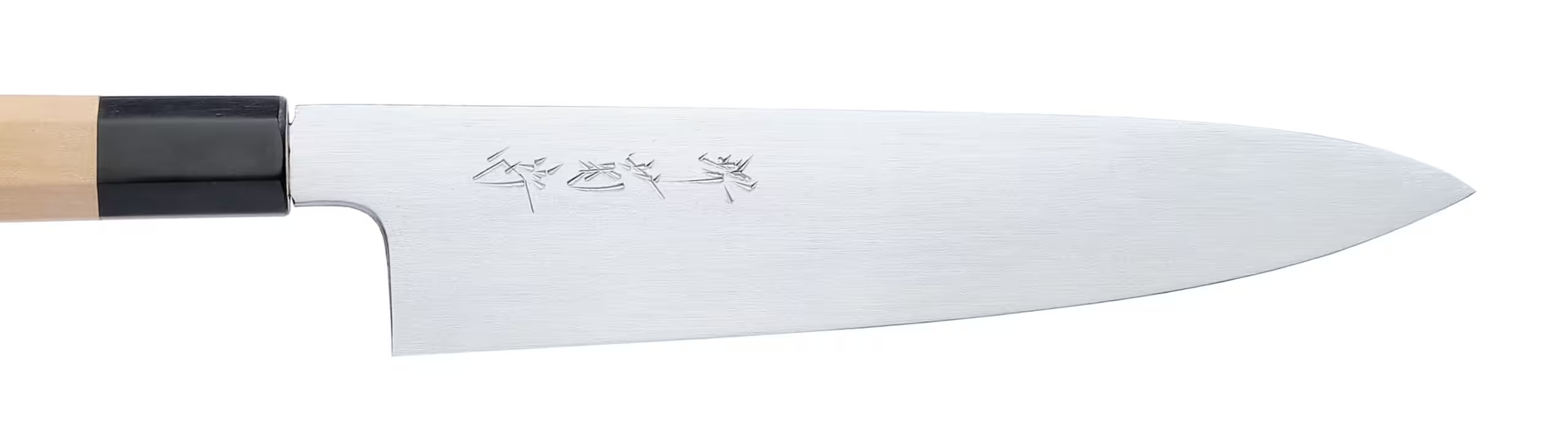
Japanese blacksmiths prefer to use these traditional steels for knife production as they are easy to heat treat, high hardening is possible with good edge retention and excellent sharpness. Carbon steels are the closest to “Tamahagane”, the steel used by ancient samurai to produce swords. As their name suggests, they have a very high carbon (C) content, an element that gives the steel the ability to harden during the heat treatment process.
This steel is more susceptible to rust than stainless steel, so it requires proper maintenance and care. Knives made of this type of steel must be dried after use to avoid rust or discoloration. However, for people who appreciate precision and excellent sharpness, kitchen knives with carbon steel blades are often the only choice. Additionally, carbon steel is usually easier to sharpen than stainless steel, which is an additional advantage for people who often sharpen their kitchen knives themselves on whetstones.
- Shirogami #1 also known as White Steel #1, is characterized by a higher carbon content compared to Shirogami #2. The higher carbon content translates into better edge retention of the knife, but at the same time makes the steel more brittle. Shirogami #1 is used to produce the most expensive Honyaki knives which are forged in a traditional process by the best blacksmiths. From a practical point of view, many sushi masters prefer Shirogami #2 (White Steel #2), because it is less brittle and less prone to chipping compared to its counterpart with a higher carbon content. Additionally, Shirogami #2 is easier to sharpen due to its slightly lower carbon content. Shirogami #1 has about 1.2-1.4% carbon, 0.25% manganese, and its hardness is in the range of 61 to 64 HRC, depending on the blade finish.
- Shirogami #2 also known as White Steel #2, is one of the most popular types of carbon steel used in the production of high-quality, hand-forged traditional Japanese kitchen knives. Although the composition of Shirogami #2 is practically identical to Shirogami #1, the difference is in the slightly lower carbon content (1.0-1.2%). This reduces the susceptibility to blade chipping, which makes this knife preferred by most chefs who have the option of choosing knives forged from Shirogami steel. Additionally, Shirogami #2 is easier to sharpen than Shirogami #1.
- Aogami #1 or Blue Steel #1 has the same carbon content as Shirogami #1 – the difference is the addition of tungsten and chromium to the mixture. These additives add specific properties to the already high-quality steel. Aogami #1 (Blue Steel #1) has about 1.3% carbon and 0.4% chromium added to the basic white paper. Its practical hardness is from 61 to 64 HRC.
- Aogami #2 also known as Blue Steel #2, is one of the most common types of carbon steel used in traditional Japanese kitchen knives. As with Shirogami #2, the chemical composition of Aogami steel includes 1.0-1.2% carbon. Additionally, tungsten and chromium are added to increase durability and wear resistance. In general, the main differences between Aogami (blue steel) and Shirogami (white steel) are greater resistance to chipping and longer edge retention. Additionally, Shirogami is considered easier to sharpen compared to Aogami, mainly due to the presence of added tungsten.
- Aogami Super or Blue Super Steel, consists of all the chemical components that make up Blue Steel #1, but molybdenum and vanadium are also added to increase corrosion resistance and to increase strength. Its practical hardness is from 61 to 65 HRC. Aogami Super (Blue Super Steel) is considered the best carbon steel with excellent hardness and wear resistance, which is resistant to chipping.
- SK-5 is a steel that is commonly used in the production of Japanese knives and tools. It is a carbon steel known for its strength and ability to retain a sharp cutting edge. The chemical composition of SK-5 typically includes about 0.80-0.90% carbon, 0.25-0.35% silicon, 0.15-0.35% manganese, 0.15-0.30% phosphorus, and 0.03% sulfur. This composition provides knives forged from SK-5 with a balanced combination of hardness, durability, and fairly good corrosion resistance. The affordable price and durability of the steel have made it a popular choice among Japanese blacksmiths.
Powdered Steel
Here the real fun begins! Powder steels are modern, high-quality alloys that combine the high hardness and durability of carbon steels with the additional properties of stainless steels, which provides excellent performance in every respect. Powder steel has an exceptionally dense and uniform structure, which translates into the durability and strength of the knives. Knives made of this type of steel are usually resistant to cracking and hold their sharpness for a very long time. Powder steel is also more resistant to rust than carbon steel, which is an additional advantage for people who are looking for durable and easy-to-maintain kitchen knives.
Although it is slightly more difficult to sharpen due to its high hardening, a cutting edge made of powdered stainless steel holds the edge much longer than most other steels used for the production of kitchen knives.
- SG2 also known as R2, is a powdered steel widely used in the production of high-quality kitchen knives. It is characterized by a high content of carbon and alloying components, which increases its overall performance. SG2 steel is subjected to a unique production process in which it is powdered into fine particles and then sintered, which results in a uniform grain structure. This process contributes to the steel’s exceptional ability to be sharpened and the extraordinary durability of the cutting edge. The chemical composition is characterized by about 1.3-1.5% carbon, 14-15% chromium, 2-3% molybdenum, 0.3-0.5% vanadium, and 2-3% cobalt.
- HAP40 – this powdered high-speed steel is produced by Hitachi Metals Ltd.. It is characterized by a fine microstructure, which makes the blades made from it very durable and they hold a good cutting edge.
- ZDP-189 (Hitachi Metals Ltd.) is a high-carbon powdered steel that is popular in the production of kitchen knives of the highest quality. It is characterized by excellent wear resistance and edge retention. Thanks to its properties, ZDP-189 steel is often chosen by professional chefs and enthusiasts of kitchen knives who expect durable, exceptionally sharp cutting tools.
Damascus steel
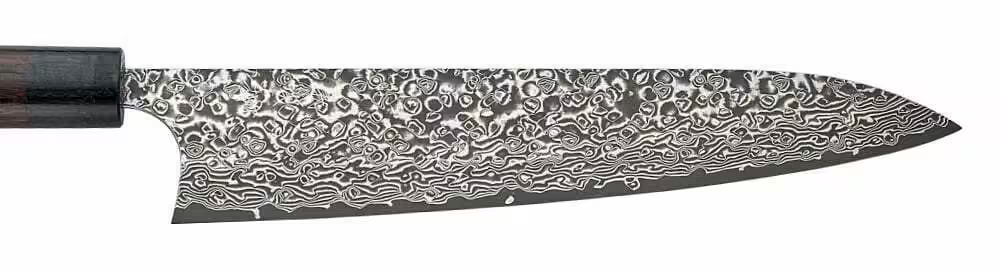
Damascus steel is not really a separate type of steel, but it has gained popularity and is increasingly used in the production of kitchen knives. Damascus steel often consists of two types of steel with different carbon percentages. These two types of steel are alternately forged together. After forging, the blade is etched. The high-carbon steel turns dark in color. The low-carbon steel remains light in color. A nice contrast remains, clearly visible in all layers.
It is worth noting that the production process of Damascus steel is time-consuming and requires specialized skills. The creation of the characteristic pattern on the knife’s blade is the result of multiple folding and forging of different layers of steel. This unique process makes Damascus knives not only excellent kitchen tools but also beautiful works of art.
Stainless steel vs. carbon steel
We usually divide the types of steel into two categories – stainless steels and carbon steels. Stainless steels have properties that make them resistant to rust and discoloration, and they are easy to maintain. Carbon steels, as the name suggests, have a higher carbon ratio to provide better sharpness and edge retention, but the blade is susceptible to discoloration.
Generally, stainless steels are easier to maintain in daily use, and relatively easy to sharpen. Carbon steels require more caution due to their ability to discolor after contact with acidic products like pickled cucumbers or or lemons, but they can also provide a sharper cutting edge for a longer time. The steel that combines both of these worlds is powdered steel. And if you would like us to help you choose something from our store’s offer, hamono.pl, please write to us, we will be happy to provide professional advice.


